Overview
Bench specializes in online bookkeeping and small business tax services, pairing users with dedicated professional bookkeepers. Its core functions include simplifying the bookkeeping process, providing clear monthly financial reports, and offering year-round tax support. However, some users might find Bench limited if they require more comprehensive project management tools or advanced invoicing capabilities, which might not fit all use cases.
For instance, small business owners in need of a solution that handles complex project accounting and resource planning may benefit from BQE CORE, which provides an all-in-one management platform tailored to architecture and engineering firms. On the other hand, freelancers or small businesses that need robust invoicing and tax capabilities might find FreeAgent more suited to their budget and functional requirements. Furthermore, Odoo’s modular ERP structure allows businesses to scale their operations seamlessly across multiple countries, offering functionalities that go beyond traditional bookkeeping.
When users evaluate Bench alternatives, they often look for specific features that can bridge gaps not addressed by Bench, such as project management capabilities, customizable invoices, or global compliance.
When to Use Bench as an Alternative
Streamlined Bookkeeping and Tax Services
Bench excels at providing outsourced bookkeeping and tax services, which is particularly beneficial for small business owners who prefer to focus on their core business activities. By utilizing Bench, these business owners can ensure their financial records are accurate while receiving comprehensive monthly reports and year-round tax support.
Project Management and Accounting
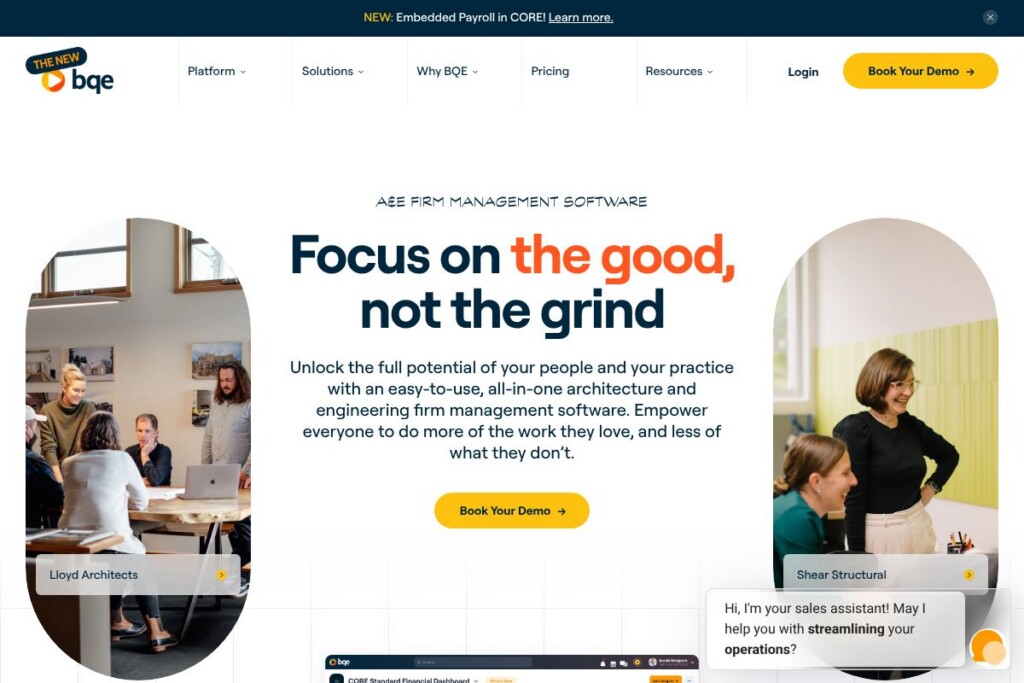
For businesses that require a more integrated approach to project management alongside accounting, BQE CORE stands out as an optimal choice. It offers robust project accounting and resource planning features that allow users to manage their finances and projects from a single interface, making it an ideal solution for firms in the architecture and engineering sectors.
Invoicing and Freelance Management
Freelancers or small businesses seeking effective invoicing and cashflow management should consider FreeAgent. It specializes in handling invoicing, bank reconciliation, and tax filing, providing users a straightforward way to manage their financials, making it useful for those who regularly bill clients.
Bench as a Online Bookkeeping Alternative
Bench is recognized in the online bookkeeping category, automating financial record-keeping and simplifying the tax process for small businesses. However, it may not meet the needs of businesses looking for more tailored invoicing or project management tools, which is crucial for various types of industries.
Bench as a Project Management Alternative
While Bench focuses on bookkeeping, alternatives like BQE CORE offer comprehensive project management capabilities, allowing businesses to integrate accounting with project planning and resource management. This feature is essential for firms with multiple ongoing projects that require meticulous tracking of time and costs.
Bench as a Freelance and Small Business Accounting Alternative
Bench serves small businesses with its accounting services, but for freelancers who may require more flexible invoicing options and detailed expense tracking, FreeAgent provides better value. Its focus on the freelance market means features are specifically tailored for individual tax and financial management.
Discover 4 Bench Alternatives
Bench is designed for small businesses seeking a streamlined bookkeeping solution, helping them manage their finances without the need for extensive accounting knowledge. BQE CORE, on the other hand, offers a comprehensive project management and time tracking solution that caters particularly to professional services, allowing firms to oversee projects, monitor billable hours, and manage invoices with greater detail and control.
BQE CORE as an Alternative to Bench
BQE CORE excels in project-based accounting, providing features such as real-time project tracking and advanced reporting. Unlike Bench, which focuses primarily on bookkeeping, BQE CORE integrates project management tools that enable users to track expenses, deadlines, and overall project profitability. Additionally, BQE CORE offers customizable dashboards that provide insights specifically tailored to the firm's operational goals, a feature not available in Bench.
Moreover, BQE CORE includes robust time tracking capabilities that support the billing of clients in a manner that aligns with project timelines and deliverables. This flexibility allows firms to manage multiple projects simultaneously while ensuring accurate billing and resource allocation, setting it apart from Bench, which lacks this level of project management functionality.
Learn more about BQE CORE here →
Does BQE CORE Cost Less Than Bench?
Bench pricing starts at $299 per month for the simplest plan, which includes basic bookkeeping services for startups and small businesses. In contrast, BQE CORE's pricing is structured based on the scale of usage and the specific modules chosen, starting at approximately $10 per user per month, which can be more economical for companies that require detailed project management tools. While both platforms offer valuable features, BQE CORE's pay-per-user model may present better scalability for growing businesses.
Bench focuses on providing a user-friendly solution for small businesses that need straightforward bookkeeping and accounting support. It excels with its monthly bookkeeping service, ensuring accuracy with dedicated bookkeepers. FreeAgent, on the other hand, offers a more comprehensive suite for small businesses, including invoicing, project management, and time tracking features that Bench lacks.
FreeAgent as an Alternative to Bench
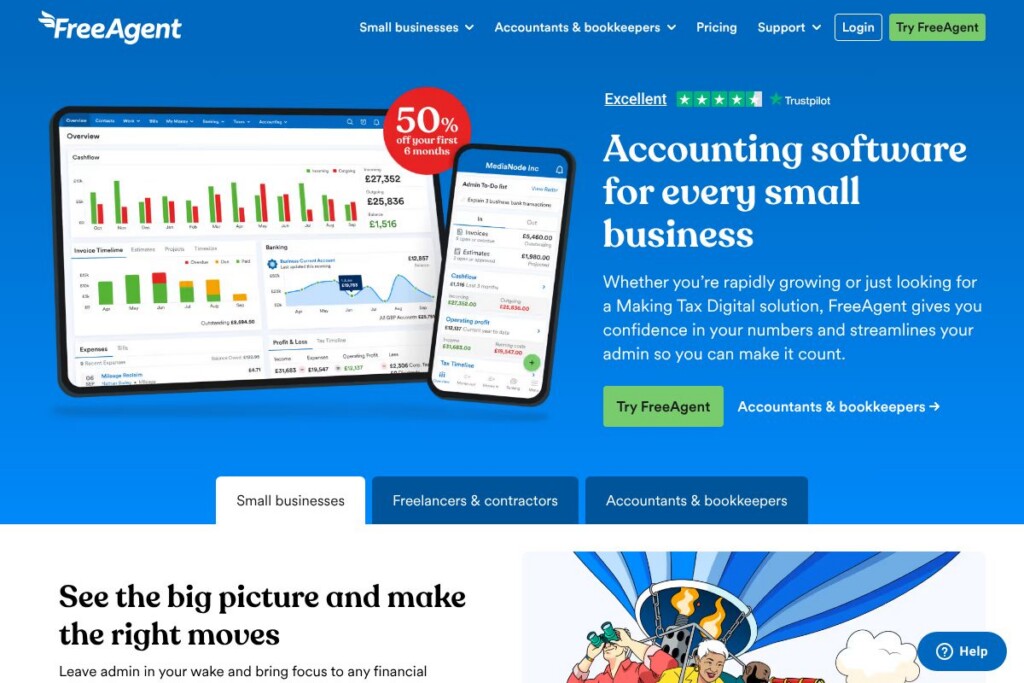
FreeAgent allows users to create and send unlimited invoices, which can be customized to reflect their brand. It also enables expense tracking through receipt scanning, providing a seamless experience for logging business expenses. Unlike Bench, FreeAgent includes robust project management tools that let users track time spent on tasks and manage client projects effectively, making it a better choice for businesses that require these functionalities.
While Bench automates bookkeeping through its team of professionals, FreeAgent gives users more control and visibility over their finances with real-time tracking and reporting capabilities. This comparison highlights FreeAgent’s strengths in user empowerment and versatility, especially for businesses that need both accounting and project management capabilities integrated.
Learn more about FreeAgent here →
Is FreeAgent More Affordable Than Bench?
Bench offers tailored pricing based on the volume of transactions, starting around $299 per month for basic services, but exact pricing can vary. FreeAgent operates on a flat fee pricing model starting at approximately $10 per month if billed annually, or $12 if billed monthly, providing a cost-effective solution for businesses with varying levels of activity.
Bench excels at providing streamlined bookkeeping services, effectively simplifying financial management for small businesses by automating many accounting tasks. On the other hand, Odoo offers a comprehensive suite of business applications that not only include accounting but also inventory, CRM, project management, and more, making it an all-in-one solution for varied business needs.
Odoo as an Alternative to Bench
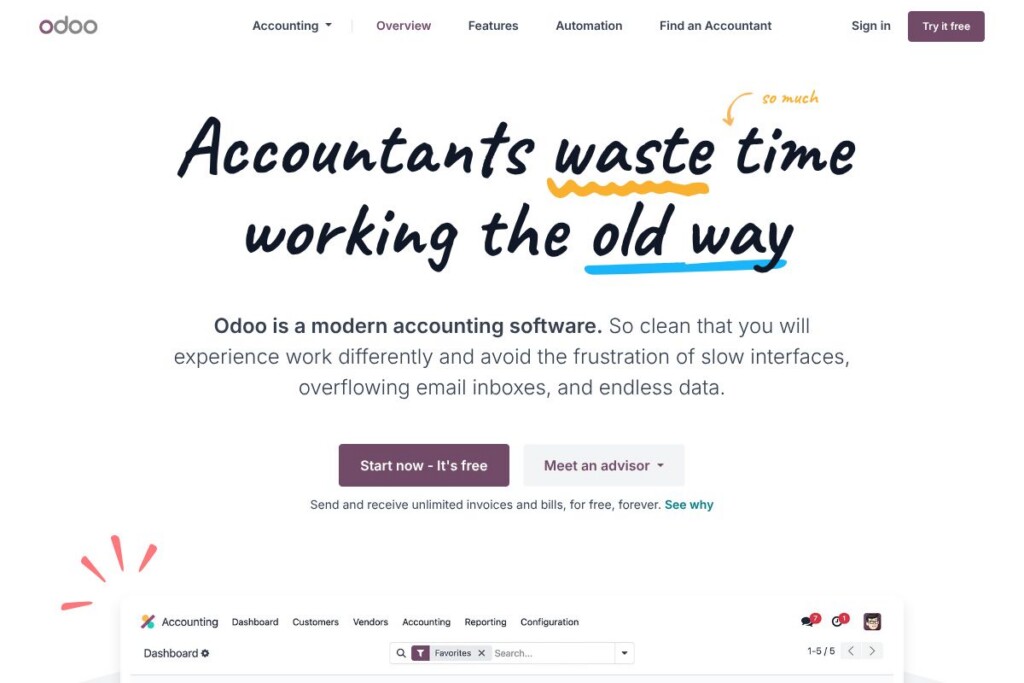
Odoo provides an extensive range of integrated applications that cover a multitude of business operations, which is something that Bench does not offer. For instance, Odoo's Project Management tool allows users to track tasks and projects seamlessly within the same ecosystem as their financial data, while Bench focuses primarily on bookkeeping services without additional operational tools.
Moreover, Odoo's customizable modules give businesses the flexibility to scale their operations quickly, adding functionalities as needed, whereas Bench has a more rigid approach that may require additional integrations for comprehensive business management.
Learn more about Odoo here →
Can You Save Money Switching to Odoo?
Odoo offers a more versatile pricing structure, with their plans starting at $24 per month per user for the Essentials package, which includes basic applications like CRM and sales management. In contrast, Bench starts at around $299 per month for their services, which only cover bookkeeping and tax preparation without the additional tools available in Odoo's suite. Given Odoo's broader capabilities at a lower price point for multiple applications, it may present a greater value for businesses looking for more than just bookkeeping.
Bench offers an excellent solution for small businesses looking for automated bookkeeping services, simplifying the management of financial statements and taxes. However, SAP Business One excels in providing a comprehensive enterprise resource planning (ERP) solution that integrates various business operations, including inventory management, sales, and customer relationship management, making it suitable for larger organizations with complex needs.
SAP Business One as an Alternative to Bench
SAP Business One stands out with its extensive features such as advanced inventory management, real-time analytics, and customizable dashboards, which Bench does not offer. While Bench focuses primarily on bookkeeping, SAP Business One includes modules for CRM and supply chain management, allowing businesses to streamline operations across various departments and enhance decision-making with in-depth reporting tools.
Bench's automated bookkeeping may be ideal for startups, but as companies scale, they often require more robust solutions that SAP Business One provides. Notably, SAP Business One supports multi-currency transactions and can easily cater to international operations, a capability that Bench lacks, thereby making it a superior choice for businesses with global expansion plans.
Learn more about SAP Business One here →
Is SAP Business One a Budget-Friendly Alternative to Bench?
SAP Business One pricing is generally higher than Bench, with costs starting around $3,000 for the initial license and additional costs for implementation and maintenance. This places it on the higher end of the pricing spectrum but reflects the advanced features and capabilities offered. Bench, on the other hand, typically starts at $139 per month for its services, making it a more cost-effective choice for small businesses but potentially less suitable for those needing a full-stack ERP solution.